From the Track to Global Style: How Audi and Adidas Are Reinventing Sports Merchandising
When two German giants join forces, the marketing world takes notice. Audi and Adidas’ collaboration in Formula 1 promises to become one of the most talked-about sports branding cases of 2026.

By Rodrigo García
18 September, 2025
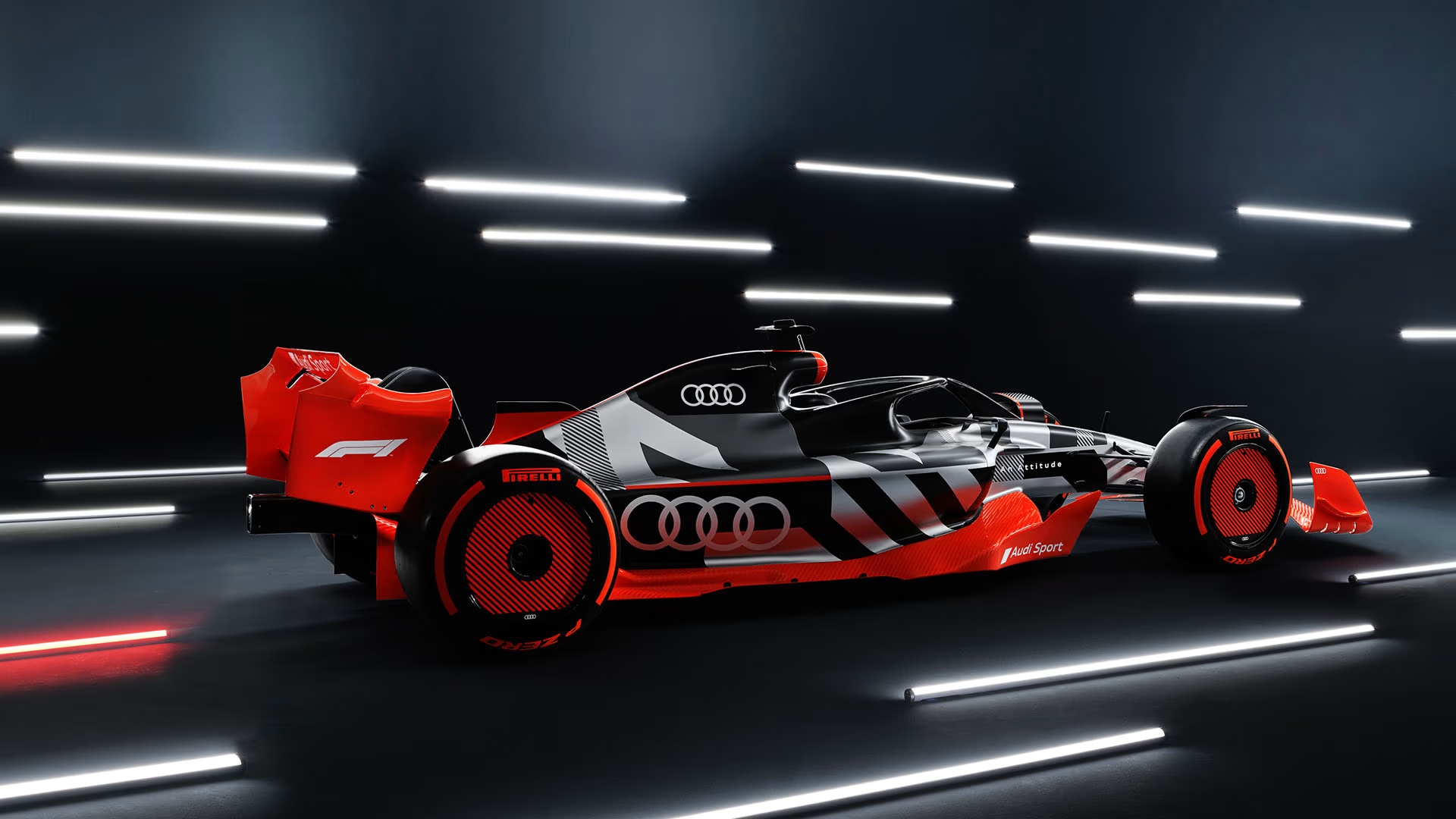
However, before analyzing its impact on the marketing world, it is important to understand that Audi will debut as a factory team in Formula 1 in 2026. That same year, new technical regulations focused on hybrid engines and sustainability will take effect. For this major step, the four-ring brand chose Adidas as its official apparel partner. The partnership includes not only high-performance uniforms for drivers and engineers, but also casual clothing, accessories and a global “adidas × Audi F1” collection launching in February 2026.
Beyond sport, this collaboration opens a strategic window in the marketing industry. It is a clear example of how brands use sport as a platform to generate emotional connection, visibility and new business opportunities.
Three reasons make this collaboration a key marketing move:
1. Global Visibility and Reach to New Audiences
Formula 1 is now one of the fastest-growing sports in terms of audience, boosted by platforms such as Netflix and the Drive to Survive documentary. According to sports sponsorship research, brands associated with global events significantly increase brand awareness and consumer positioning. In this case, the Audi and Adidas collaboration ensures exposure in more than 20 countries per season, multiplying their presence among millions of viewers as well as across digital environments.
2. Emotional Loyalty Through Shared Values
Research on brand-event fit shows that when a brand and an event share values that matter to audiences, such as innovation and sustainability, positive brand perception rises and translates into greater purchase intent. Audi and Adidas have developed strong narratives around high-performance technology and environmental commitment, strengthening their credibility and allowing them to connect authentically with consumers who prioritize these causes.
3. Direct Monetization and Differentiation Through Merchandising
The “adidas × Audi F1” collection is not simply a promotional product, but a brand extension strategy. Experiential marketing studies indicate that these activations generate greater satisfaction, loyalty and purchase desire among fans. For Adidas, it means opening a new revenue stream linked to the prestige of Formula 1. For Audi, it means turning followers into ambassadors who carry the brand logo beyond the track.

4. Product and Market Diversification Strategy
With the “adidas × Audi F1” line, the brands not only strengthen their presence in sports but also diversify their offer toward consumers interested in lifestyle and sports fashion. This expansion allows them to reach new market segments, capitalize on the event’s global visibility and generate additional revenue opportunities through official merchandising.
5. Measurable Impact on Loyalty and Brand Awareness
Sports marketing studies show that collaborations with high-profile events increase both loyalty and brand recall. In this case, Audi and Adidas make their audiences associate their image with innovation and excellence, resulting in stronger recognition and greater engagement that can be monitored through exposure, digital reach and sales metrics for associated products.
6. Strengthening Perceived Brand Value
Collaborations of this scale help position brands within a segment of high perceived value. Association with an elite sport and quality products reinforces the perception of prestige, linking innovation, performance and excellence to each brand, which can translate into greater commercial opportunities and a stronger relationship with consumers.
It is therefore clear that the 2026 collaboration between Audi and Adidas represents much more than an agreement between motorsport and sports fashion. It is a case study in which branding, technology and sustainability intertwine to create a global narrative. While Audi seeks to win on the track, Adidas ensures that the experience is also lived every day by millions of fans. A marketing move that will undoubtedly set trends in the industry.
Are you ready to work with aliens?